












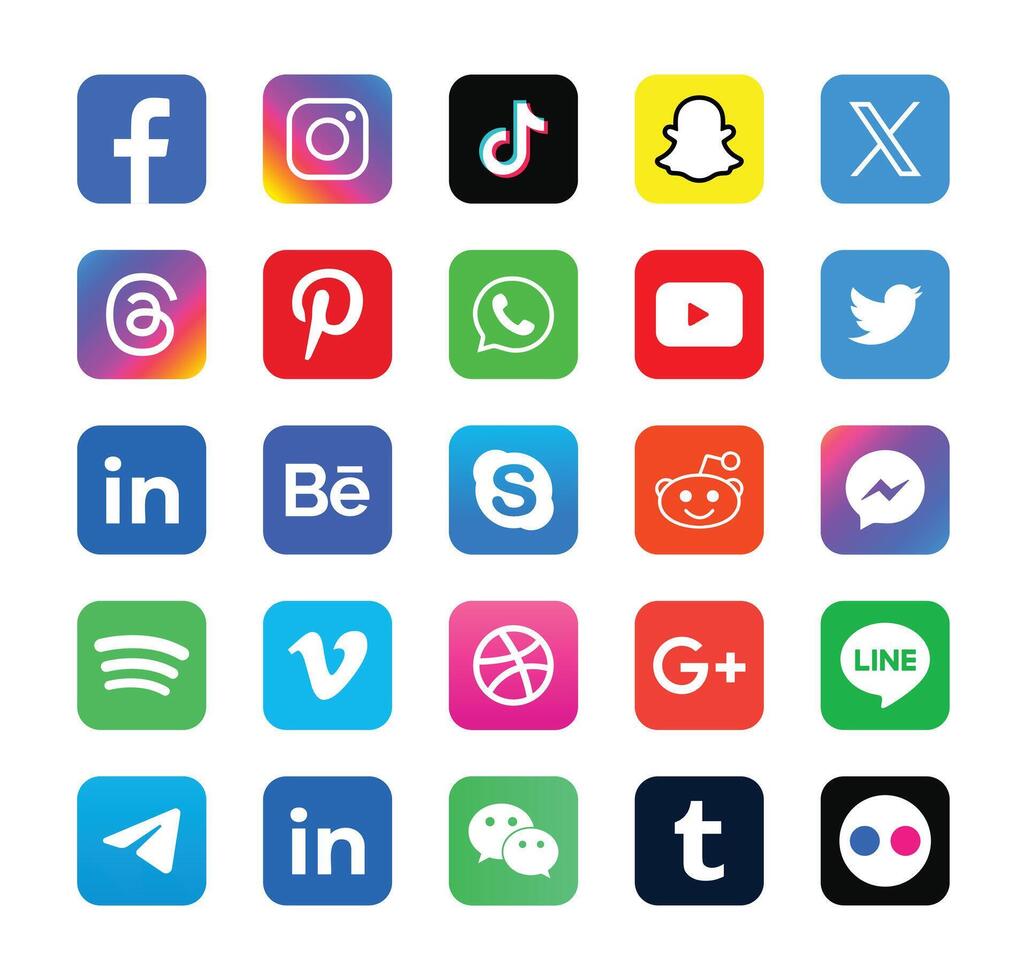
In today’s world, social media plays an important role in how people receive their news. Apps like Instagram, TikTok, and X have become some of the quickest ways to share information. While this can be helpful, it has also changed journalism in both positive and negative ways.
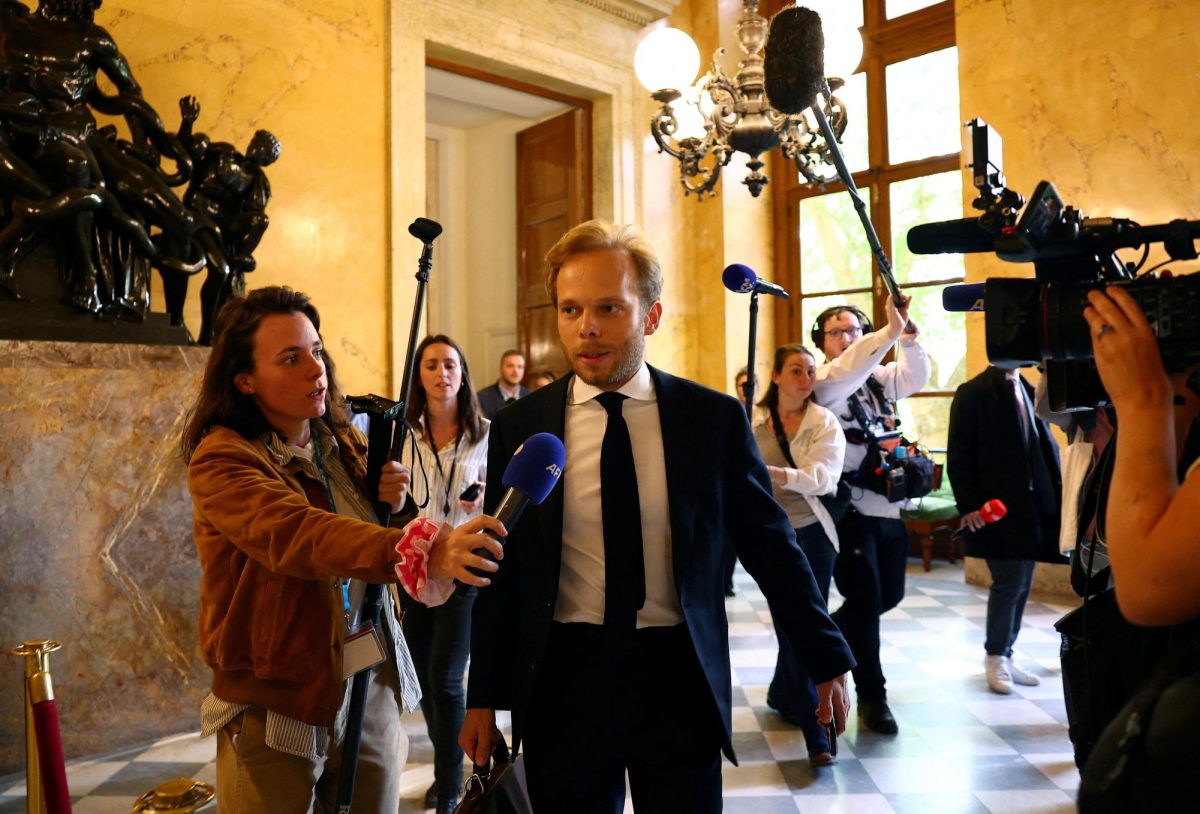
One of the biggest benefits of social media is timeliness. News can spread in seconds, allowing people to stay informed about events as they happen. Journalists can also reach a larger audience and connect directly with viewers. For example, reporters can post updates, videos, and live coverage without waiting for newspapers to be printed or a TV broadcast.
However, the fast pace of social media can also be a problem. Sometimes information is shared before it is fully confirmed. This can lead to the spread of misinformation. It also puts pressure on reporters to release information quickly rather than carefully fact checking, resulting in more frequent mistakes. Another issue is that anyone can post news online, even if they are not trained journalists. While this gives more people a platform, it also makes it harder to tell what stories are reliable. Professional journalists are trained to follow certain rules, but not everyone on social media knows to follow reporting standards.
At the same time, social media has helped journalism become more interactive. Viewers can comment, share opinions, and even help report on events happening in their communities. This creates a more connected audience.
Overall, social media has changed journalism in many ways. It has made news faster and more accessible, but it has also created obstacles when it comes to accuracy and trust. As a student journalist, it is important to look at both sides, but making sure information is accurate should always come first.