

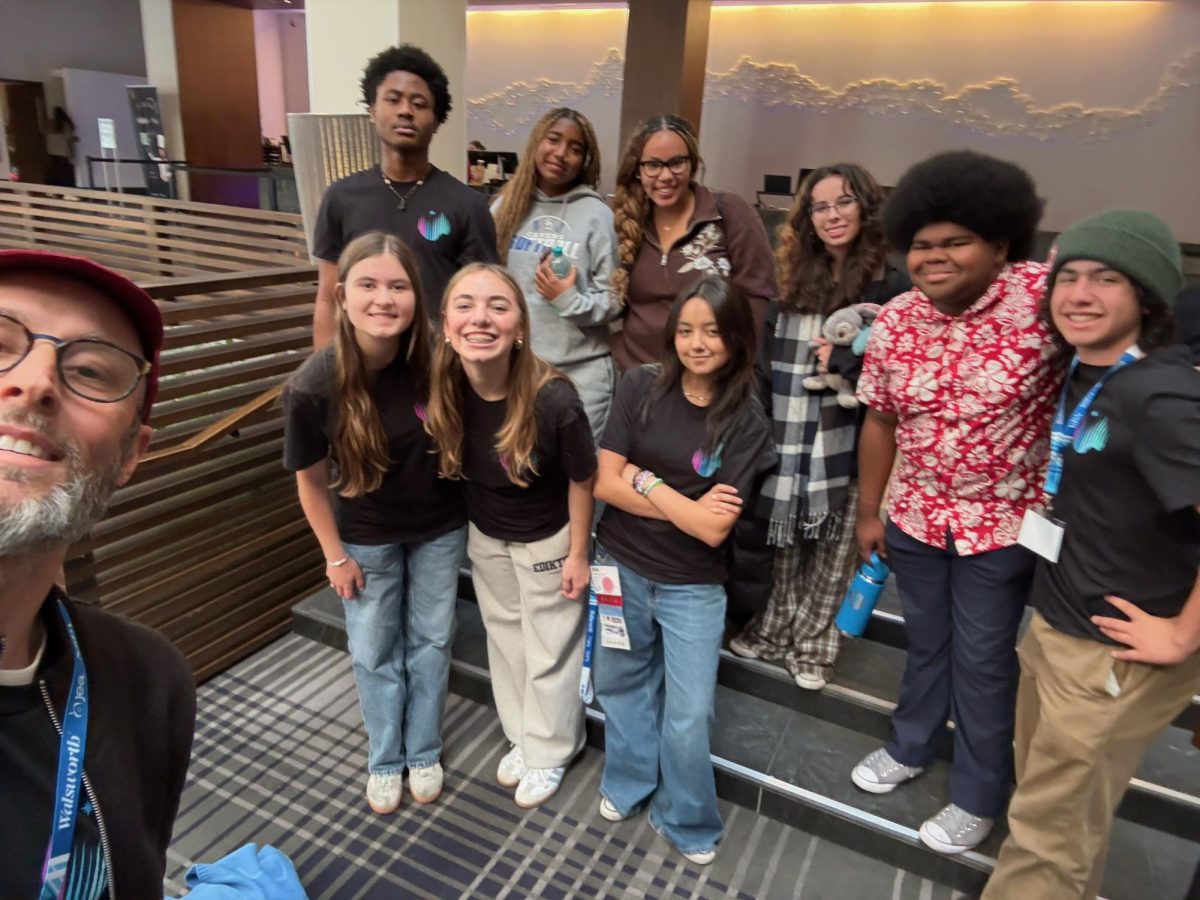






This year’s JEA/NSPA National High School Journalism Convention in Minneapolis was more than just a school trip; it was a cultural experience that shaped how we saw the city, our journalism, and ourselves.
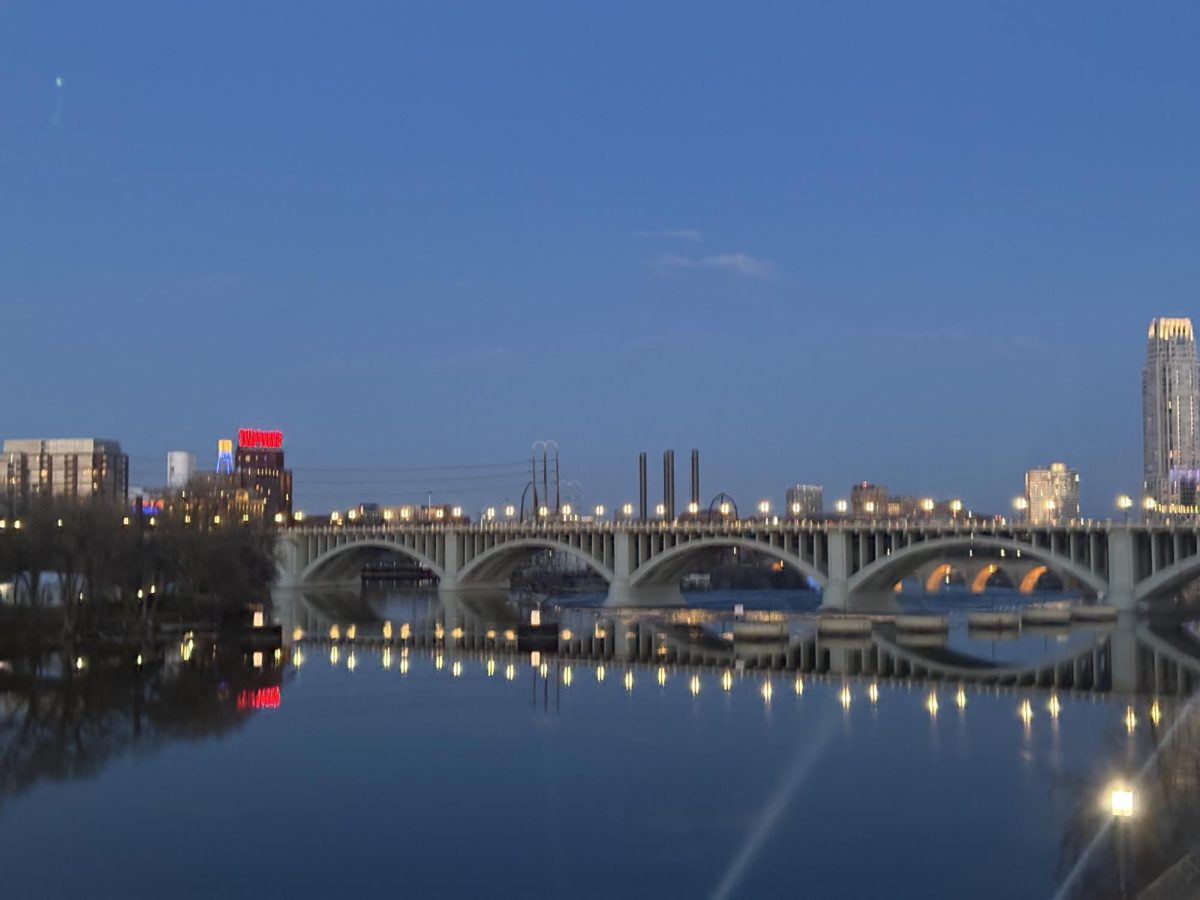
Outside of the conference, we explored a place none of us had ever been before, from areas around The Vikings U.S. Bank Stadium to the Mississippi River and even the Mall of America. At every turn, you could feel the energy of the city, but also the weight of the loss and trauma it has endured.
In recent months, Minneapolis has been at the center of Operation Metro Surge, an initiative led by the Trump administration involving thousands of federal immigration agents and described as one of the largest immigration crackdowns in modern history. The operation was covered worldwide across video, podcasts, and written journalism, often told in very different ways depending on the source. Being at JEA in that environment made the experience even more powerful, because we were seeing firsthand how real people live within stories that are constantly being shaped and reshaped by the media.
Throughout the trip, we interacted with locals in ways that made those stories feel more human. On our first day, while waiting to be seated at a local Vietnamese restaurant, we met Mr. Gibbs, a Minneapolis local comedian who openly shared his perspective on what was happening in his city. When we told him we were there for a journalism convention, he immediately recognized the importance of what we were doing. He explained that while the federal surge didn’t directly affect him personally, he felt he had done his part politically, mentioning that he voted for Kamala Harris. That conversation showed how people can experience the same national events in very different ways depending on their background and perspective.
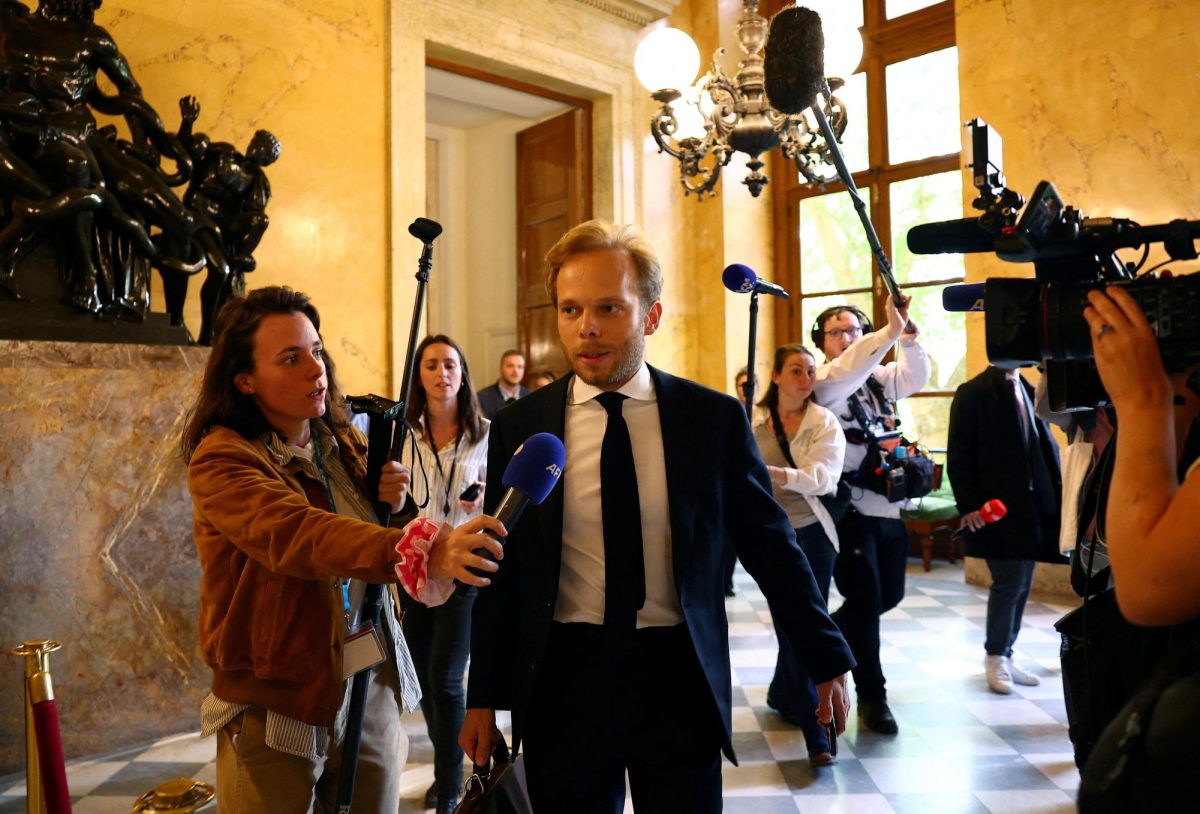
At the convention, that same cultural reflection was carried into every session. I attended a session with reporters from FOX 9 Minneapolis, including Alex Lehnert and Paul Blume, who spoke about reporting on tragedies including the shootings of Alex Prettie and Rennea Good and the murder of George Floyd. They also shared what it was like to report on the deaths of people they personally knew, including Melissa Hortman and her husband Mark, who were killed in a politically motivated shooting.
What stood out most was their emphasis on staying composed and ensuring their reporting remained accurate and unbiased, even in emotional situations. They also highlighted the differences between local and national news coverage, explaining how national outlets can sometimes miss the deeper cultural context of specific communities. One speaker described Minneapolis as a “blue dot in a sea of red,” showing how political and cultural divides shape both the stories being told and how they are reported.
Hearing from professionals and student journalists from all over the country showed us how different journalism can look depending on where you’re from. People brought perspectives shaped by their own communities, whether from small towns, big cities, or places dealing with major social issues. It made everything feel more real and more urgent.
One of the biggest takeaways was how journalism connects people across those differences. We weren’t just learning skills, we were sharing stories, ideas, and experiences. Being surrounded by so many passionate students reminded us that journalism isn’t just about reporting news, it’s about representing voices and building understanding.
This experience will directly impact how we approach The Russ. Moving forward, we want to focus more on telling stories that reflect our own community with depth, accuracy, and context. Just like in Minneapolis, every story has layers, and it is our responsibility to represent those layers truthfully. JEA didn’t just make us better journalists, it made us more aware ones.